


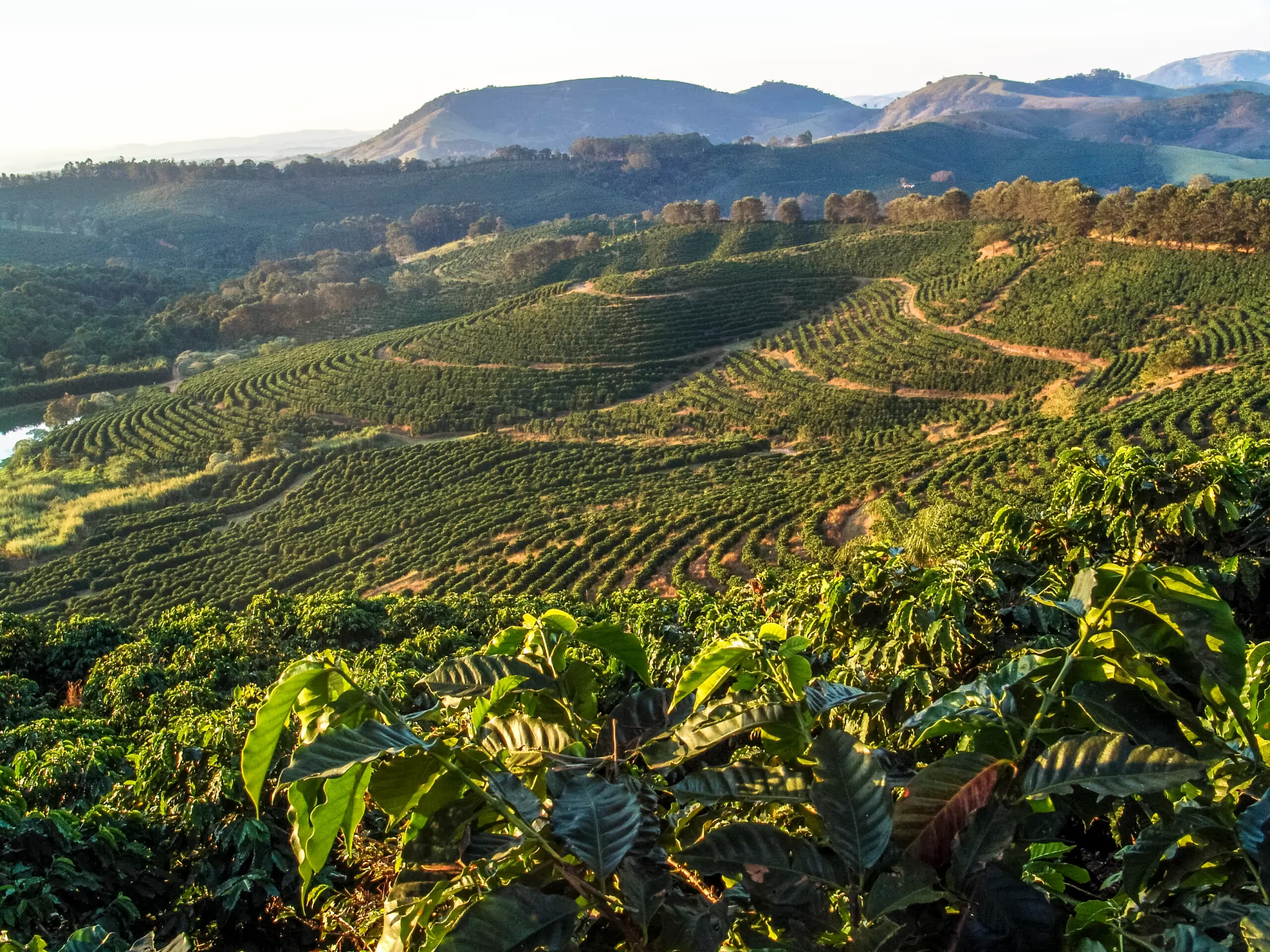
Enhanced Rock Weathering (ERW) is gaining traction as a promising Carbon Dioxide Removal (CDR) technology. Its potential to play a significant role in mitigating climate change is proven and permanent. While ERW is considered comparable to other CDR methods and markets in terms of sustainability, research highlights that the sustainability performance of ERW deployment in Brazil is in fact, exceptional.
Brazil’s unique advantages
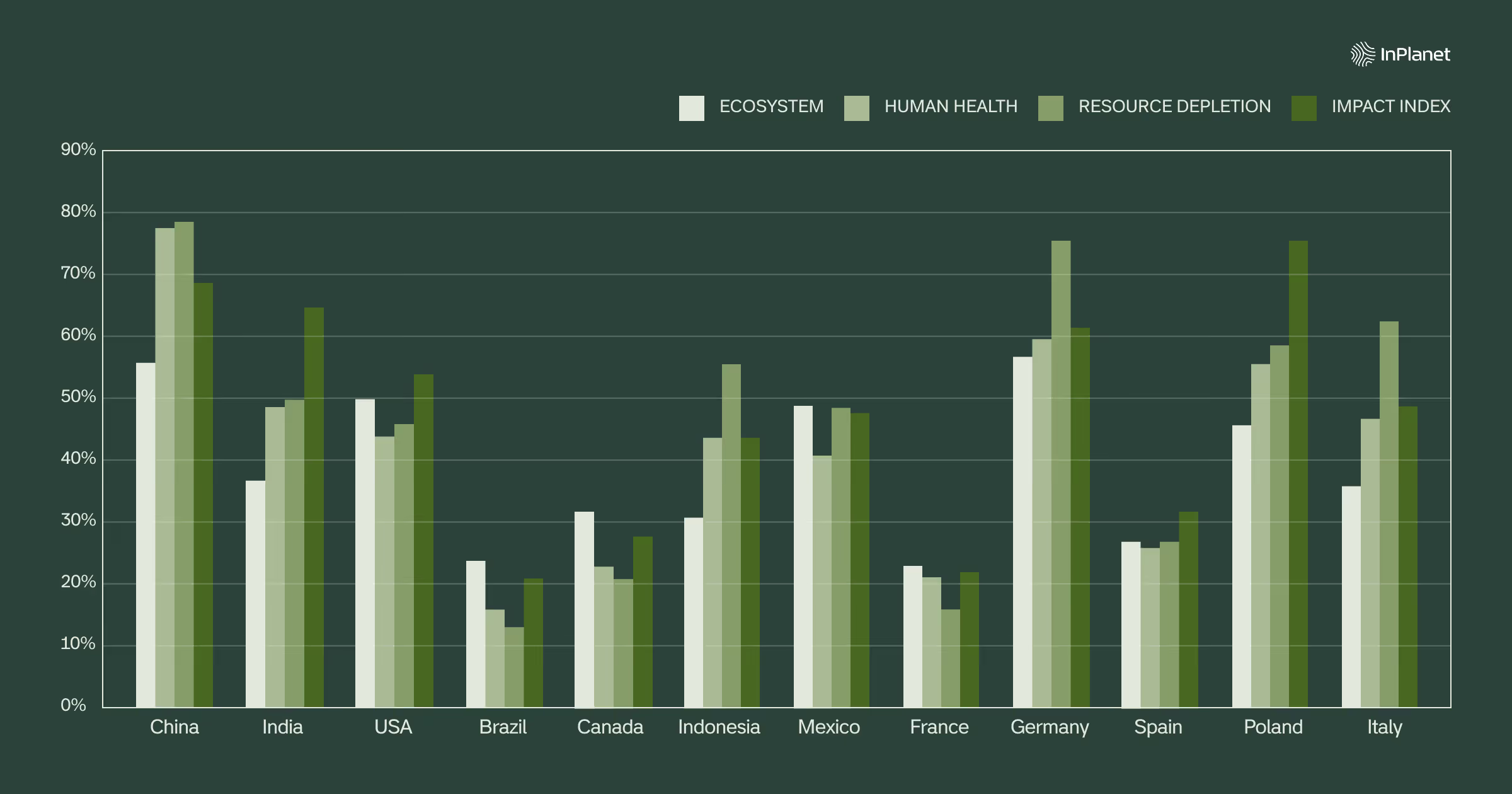
Published life cycle analysis (LCA) showcases Brazil’s unique advantages for ERW, demonstrating its high CDR potential with minimal negative impacts. Several factors contribute to this “exceptional” sustainability performance:
- High CDR Potential: Brazil exhibits higher CDR potential per cropland area compared to other countries [Eufrasio et al., 2022].
- Clean Energy: Brazil boasts a high proportion of hydropower in its energy mix, significantly reducing the carbon footprint of ERW operations [Eufrasio et al., 2022].
- Abundant Croplands: Extensive available croplands provide ample space for ERW deployment with no land use displacement, thereby limiting negative biodiversity impacts [Eufrasio et al., 2022].
- Geographic Proximity: The close proximity to the Paraná flood basalts reduces transportation distances and associated emissions [Eufrasio et al., 2022].
- Favorable Climate: Accelerated weathering conditions in the tropics enhance the efficiency of CO2 sequestration [Eufrasio et al., 2022].
Minimal environmental impacts
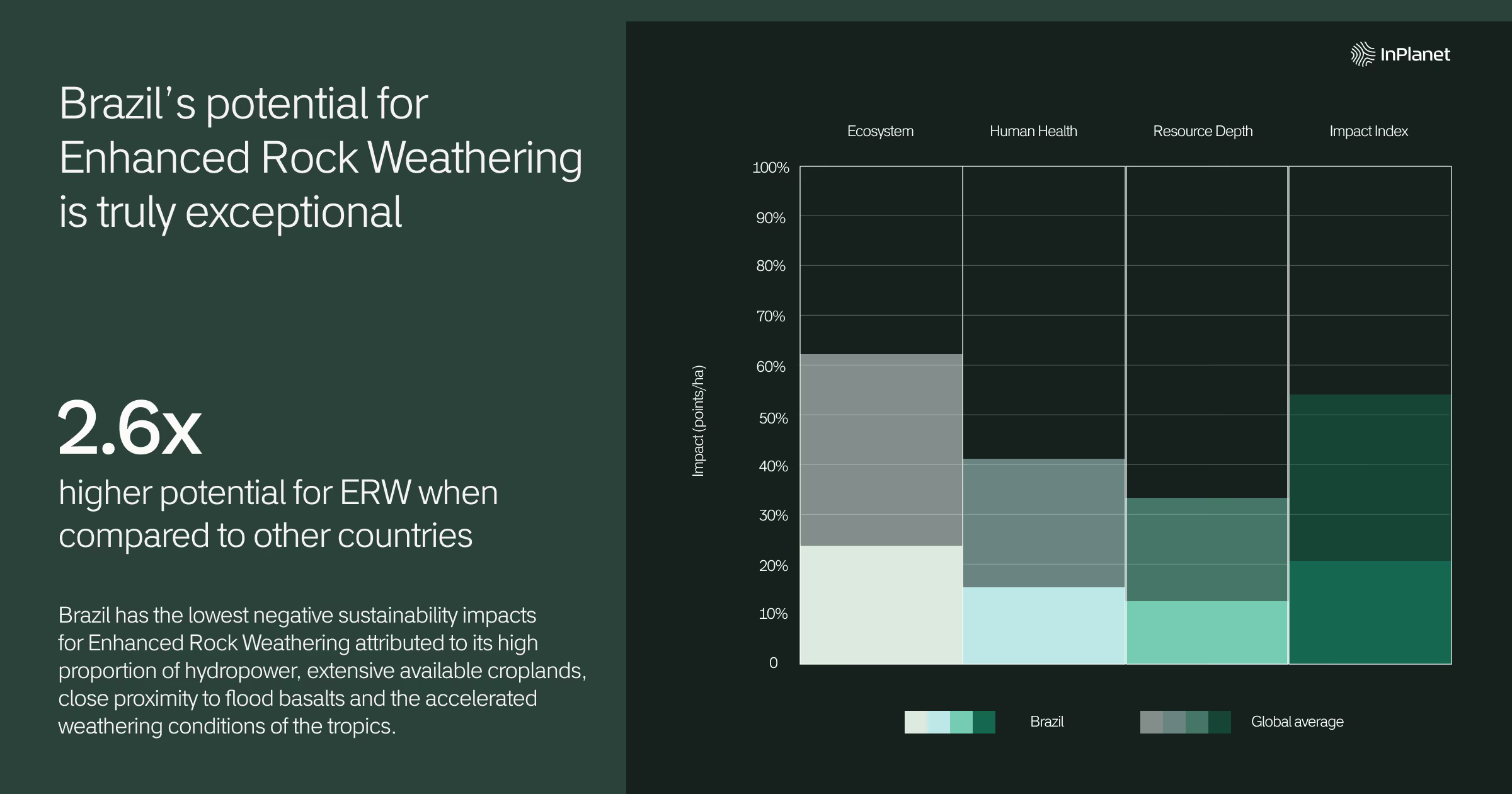
ERW, in general, exhibits low resource depletion levels compared to other CDR technologies; this is a huge win and an ideal scenario for ensuring high positive impacts for CDR. Typically this consists of less than 0.25% of available freshwater resources, with <0.05% of agricultural land loss [Eufrasio et al., 2022]. In Brazil, resource depletion levels are even lower, ranking as the lowest among 12 operating countries for this approach [Eufrasio et al., 2022].
Optimizing operations for sustainability
Comminution and mining processes, including transport, dominate the impacts within Brazil’s ERW supply chain [Lefebvre et al., 2019; Eufrasio et al., 2022]. Therefore, “spatially static” mining impacts can be minimized through optimized transport distances to improve the CO2 sequestration potential [Lefebvre et al., 2019]. InPlanet operations are restricted to within <100 km of mining sites for this reason.
Leveraging Brazil’s strengths
In conclusion, Brazil’s ERW deployment stands out as an exceptionally sustainable option for carbon dioxide removal, thanks to its unique geographic, energy, and environmental advantages. The country’s high sequestration potential, coupled with minimal resource depletion and the opportunity for operational optimization, positions ERW as a highly effective and environmentally responsible solution in the global fight against climate change. As ongoing research and scientific advancements continue to shed light on its benefits, leveraging Brazil’s strengths could play a crucial role in scaling up CDR efforts.
Latest Posts
InPlanet and Idemitsu Americas Holdings Close Non-Recourse Debt Facility, Setting a New Standard for Financing ERW Carbon Removal
The transaction secures capital against contracted, insured delivery of durable removals, proof that high-integrity projects can now access scalable debt beyond equity.

InPlanet selected as the Brazilian supplier in Whirlpool Corporation's durable carbon removal portfolio
Structured by ClimeFi, the agreement pairs a firm 2030 delivery with standalone options, expanding Enhanced Rock Weathering across Brazil's agricultural heartland.
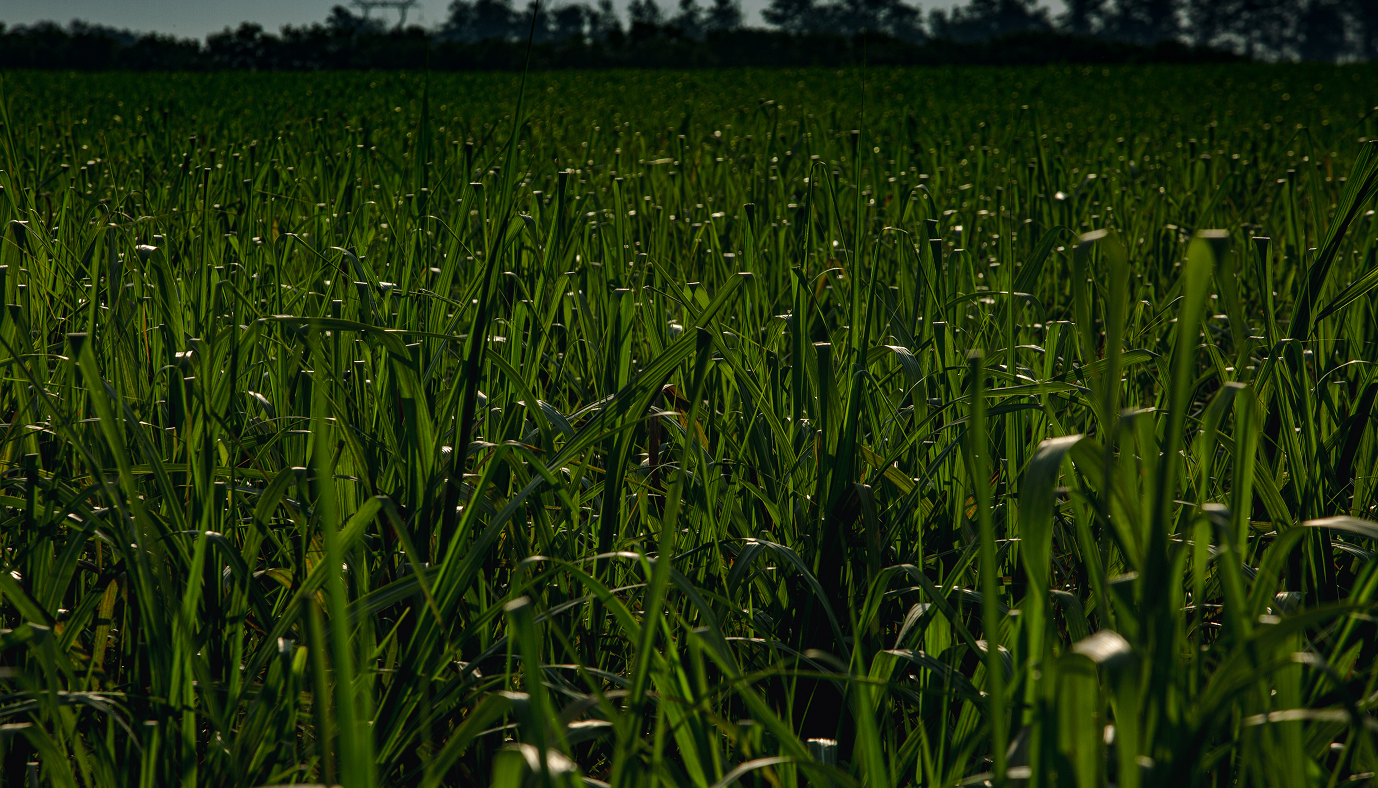
Agronomic Benefits of Basalt Rock Powder on Sugarcane: Insights from Project Serra da Mantiqueira
Field results from Project Serra da Mantiqueira show how Enhanced Rock Weathering can improve soil health while enabling durable carbon removal.
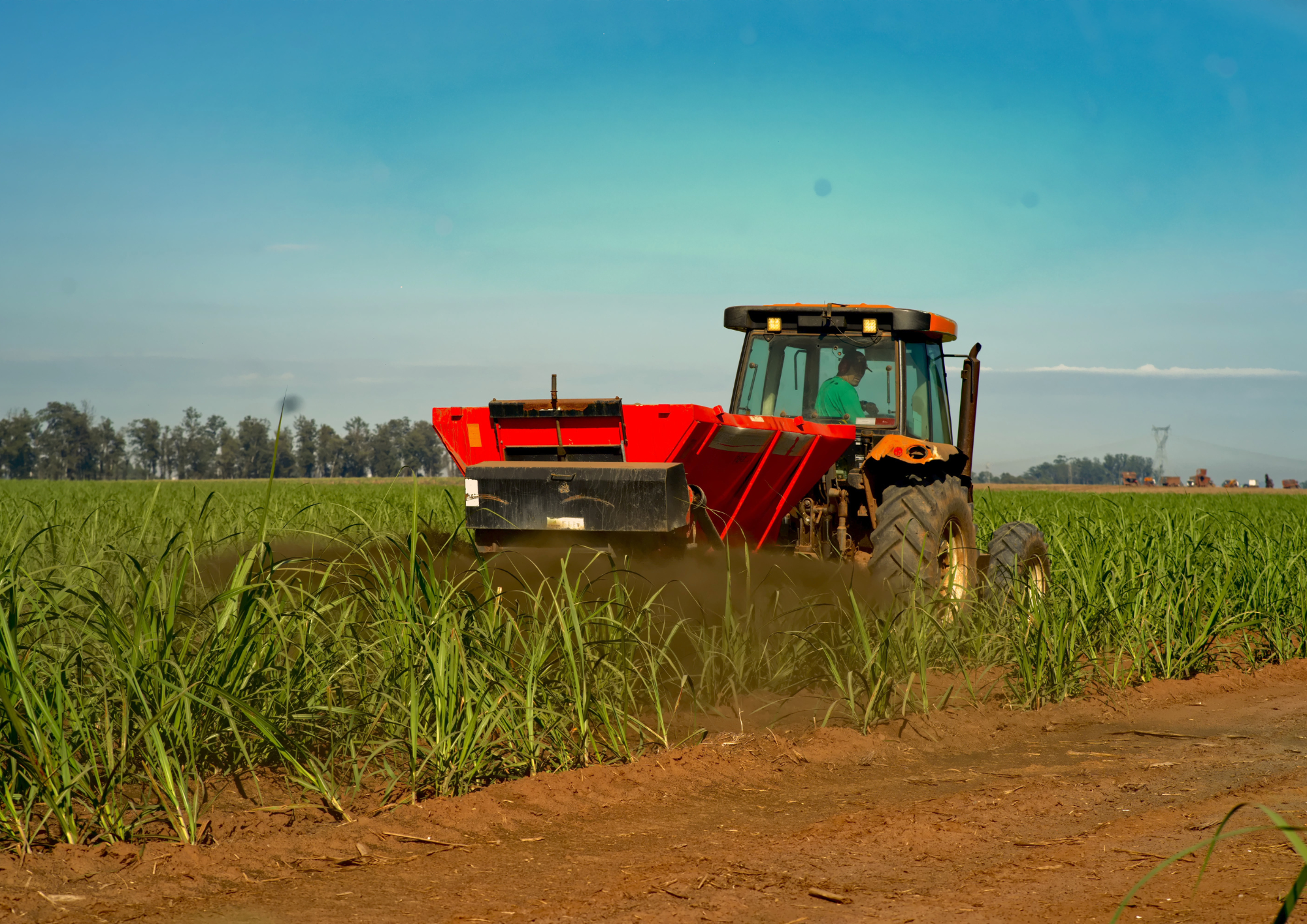
From Field to Credits: Inside the World's First Second-Year Enhanced Rock Weathering Credit Issuance
A recap of our webinar exploring MRV for enhanced rock weathering, and what two years of data from Serra da Mantiqueira tell us about the accuracy, durability, and scalability of ERW as a carbon removal pathway.