Agronomic Benefits of Basalt Rock Powder on Sugarcane: Insights from Project Serra da Mantiqueira

Introduction
For the first time in the enhanced rock weathering (ERW) sector, InPlanet has issued certified carbon credits for a second year from a single basalt deployment (Isometric, 2026). These credits were generated on the sugarcane farm in Rio Claro (São Paulo State, Brazil) where the world´s first ERW credits were issued (InPlanet, 2025). A total of 154 tCDR were verified for the second year by applying basalt. As with our previous verifications, they followed Isometric´s ERW protocol and were independently verified by 350 solutions.
The agronomic benefits of deploying basalt on sugarcane were also evaluated and will be presented in this blog post.
Why Sugarcane?
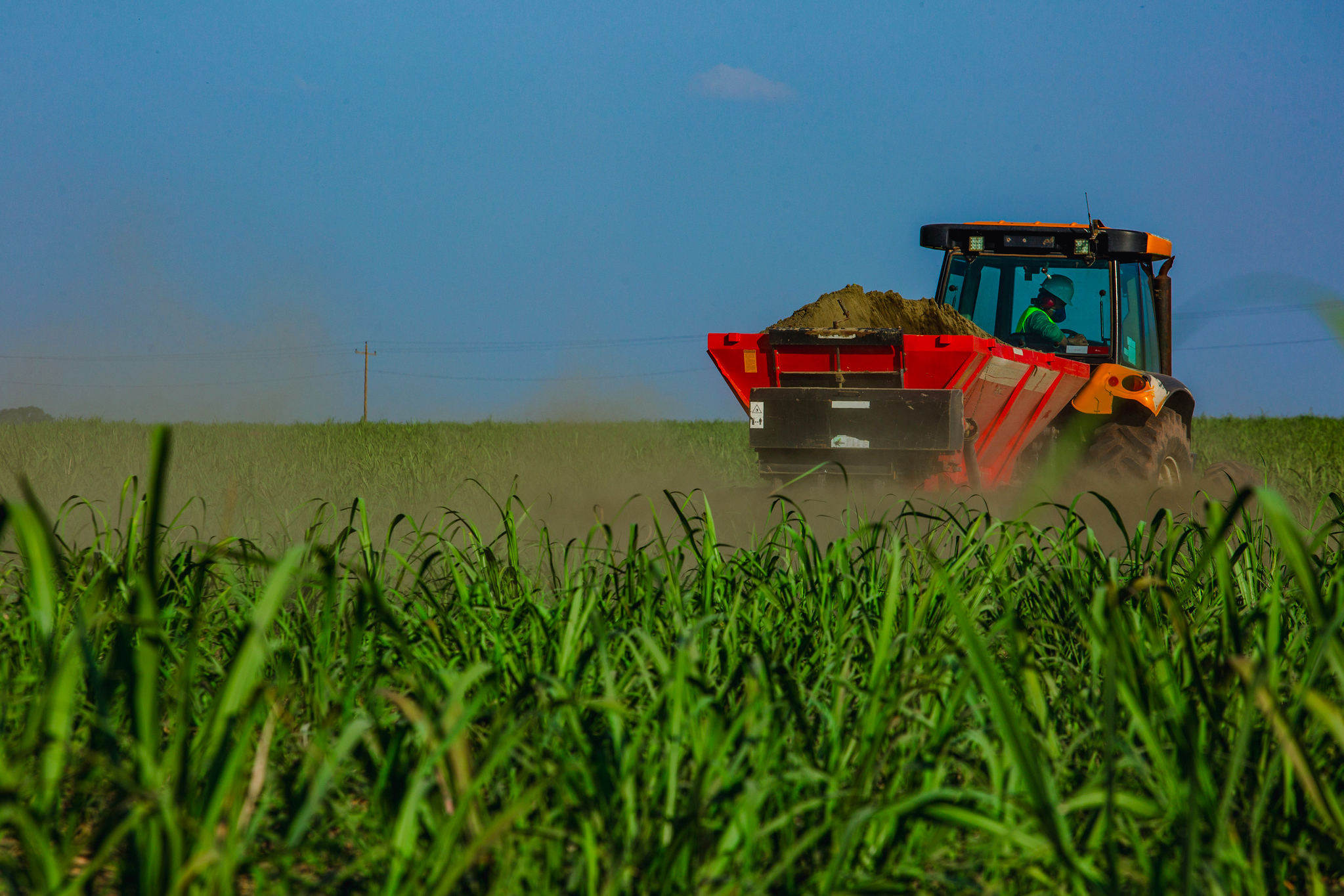
Brazil is the world’s largest sugarcane producer, accounting for roughly a third of global output (USDA FAS, 2026). Strong demand for both sugar and ethanol continues to drive the expansion of sugarcane farmland. Most of this expansion is occurring on deeply weathered, acidic, low-fertility tropical soils (Marin et al., 2016), which are precisely the soils on which basalt is expected to have the highest amelioration potential (Swoboda et al. 2022, 2026). Additionally, silicon (Si) - an often overlooked element that is supplied by silicate rocks like basalt - has been found to increase sugarcane yield and total recoverable sugar (ATR; Zeng et al., 2026), potentially providing additional benefits.

What is ATR?
ATR (Açúcar Total Recuperável, “Total Recoverable Sugar”) expresses how many kilograms of sucrose can actually be recovered from one tonne of cane, after accounting for industrial extraction and processing losses. It is the basis on which Brazilian growers are paid.
Project Background
The project is located in Rio Claro, São Paulo State, Brazil. Basalt rock powder was spread between May and September 2023 at an application rate of 10 tonnes per hectare. Importantly, for all our current projects, we proceeded with 20 tonnes per hectare to optimize both agronomic and carbon dioxide removal benefits.
The soils at the farms are highly weathered and nutrient-leached, predominantly Oxisols, with some areas of Ultisols. To combine clean experimental signals with real-world performance, the deployment was evaluated at both the controlled experimental scale and the commercial field scale. All areas at both scales received the typical fertilization and pest management.
Field Monitoring Station (FMS): The controlled experiment
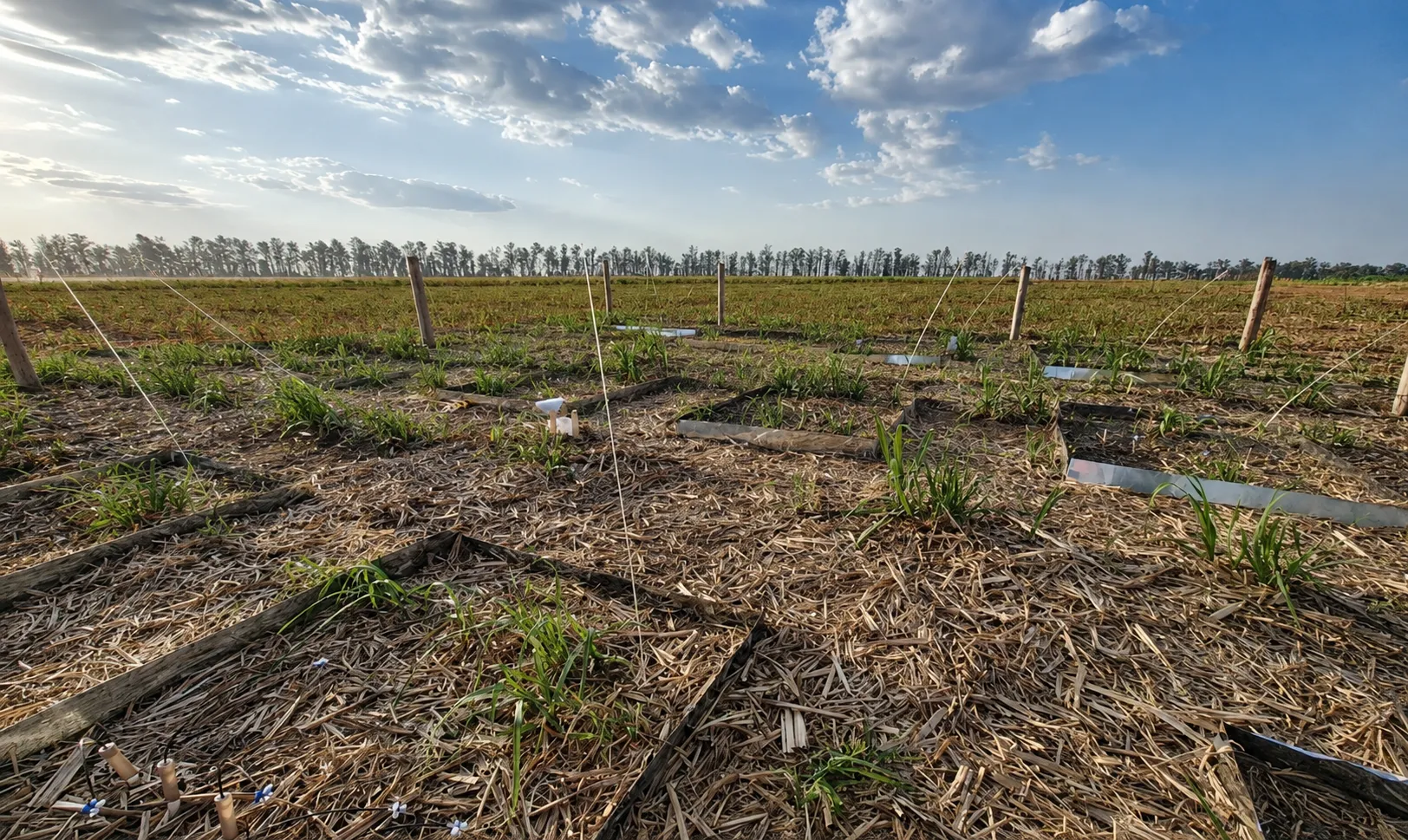
- A replicated trial covering 175 m², designed to isolate the effect of basalt under controlled conditions.
- Four application rates (0, 10, 50, 100 t/ha), each with four replicates (n = 4). Applied in August 2023.
- Soil sampled at 0–20 cm depth and re-measured 12 and 18 months after application
Commercial field: Real-world performance
- 965 hectares of sugarcane received basalt at 10 t/ha.
- 440ha were eligible for a direct comparison with the control due to the same cultivar and growth stage.
- Sugarcane from four growth stages and two cultivar families (CTC and RB) was analyzed.
- Yield (t/ha) and ATR (kg/t) were compared between basalt-deployment and control areas
What do the harvest “stages” mean?
Sugarcane is a semi-perennial crop, meaning that it can be harvested several times before the field needs to be replanted. After each harvest, the plants regrow from the remaining stalks and root system, producing what is known as a ratoon crop.
In the figures, harvest stages 1, 2, 3, and 4 represent successive harvests from the same crop cycle. Rather than indicating different planting dates, these stages show how the crop performs over successive ratoons.
Under suitable management and growing conditions, a sugarcane field can typically be harvested six to eight times before replanting, allowing the same crop to regrow for several years.
Agronomic Results
Effects on soil health at the Field Monitoring Station
For the field monitoring station (FMS), this section presents the effects of basalt on major soil health metrics. The metrics were evaluated 12 and 18 months after basalt application, and included pH, organic matter, and cation exchange capacity (CEC), as well as major plant nutrients like Ca, Mg, and P. The analysis after 12 months was based on four replicates, whereas the 18-month analysis doubled to eight replicates.
pH
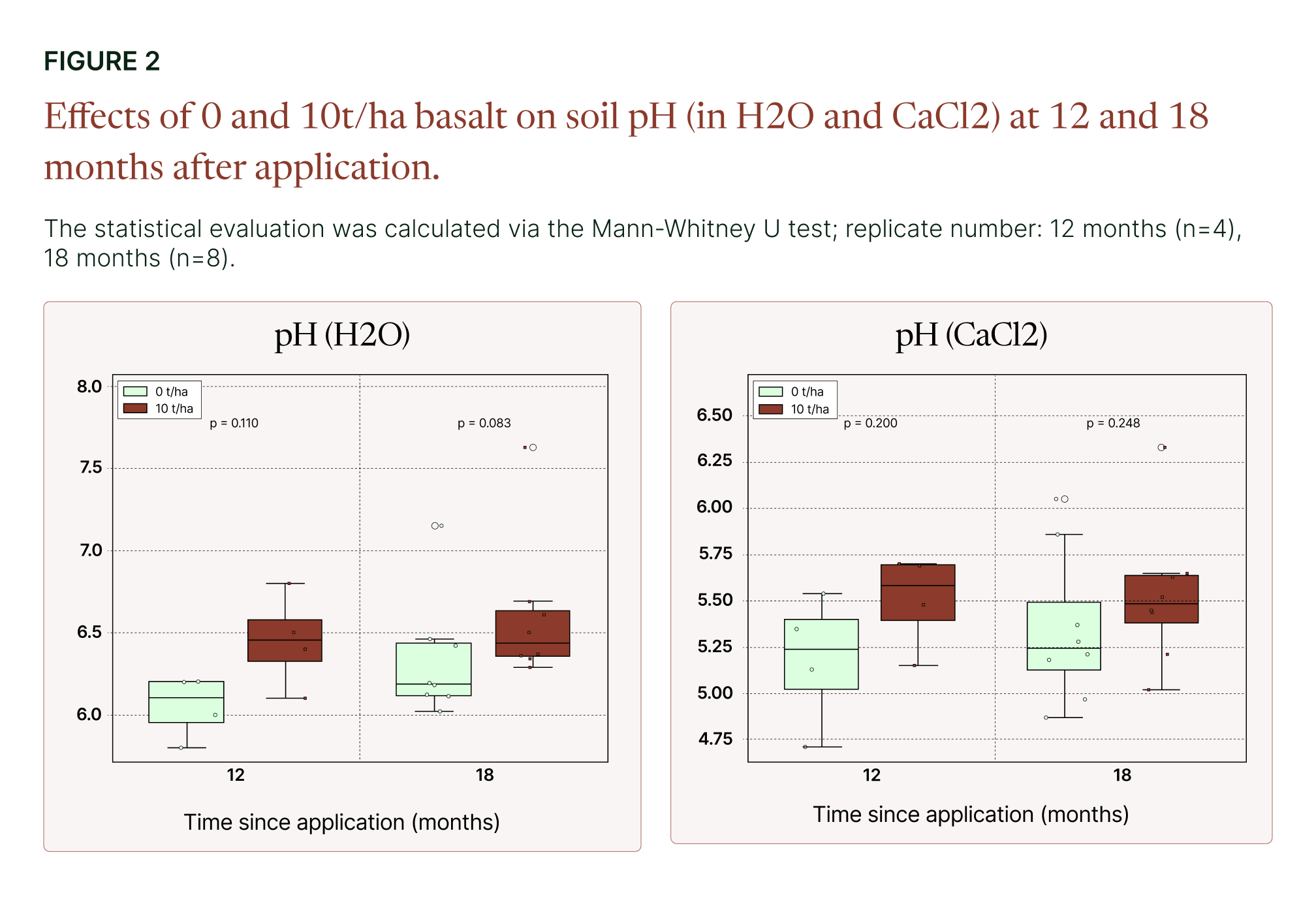
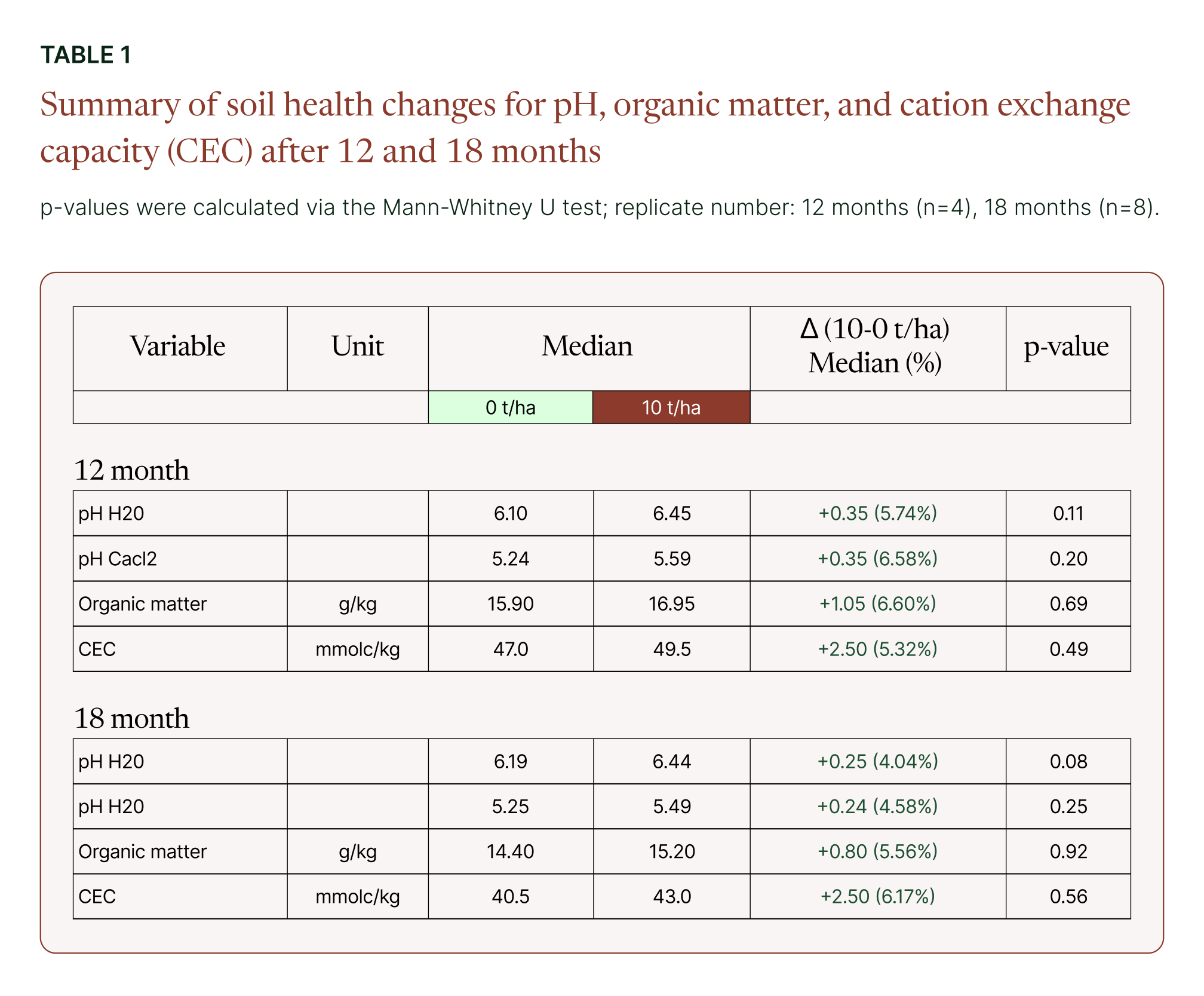
Basalt raised the soil pH at both samplings. Soil pH (in H2O and CaCl2) increased by +0.35 units after 12 months and remained +0.24-0.25 units above the control at 18 months (statistically not significant, details in Table 1).
Organic matter and CEC
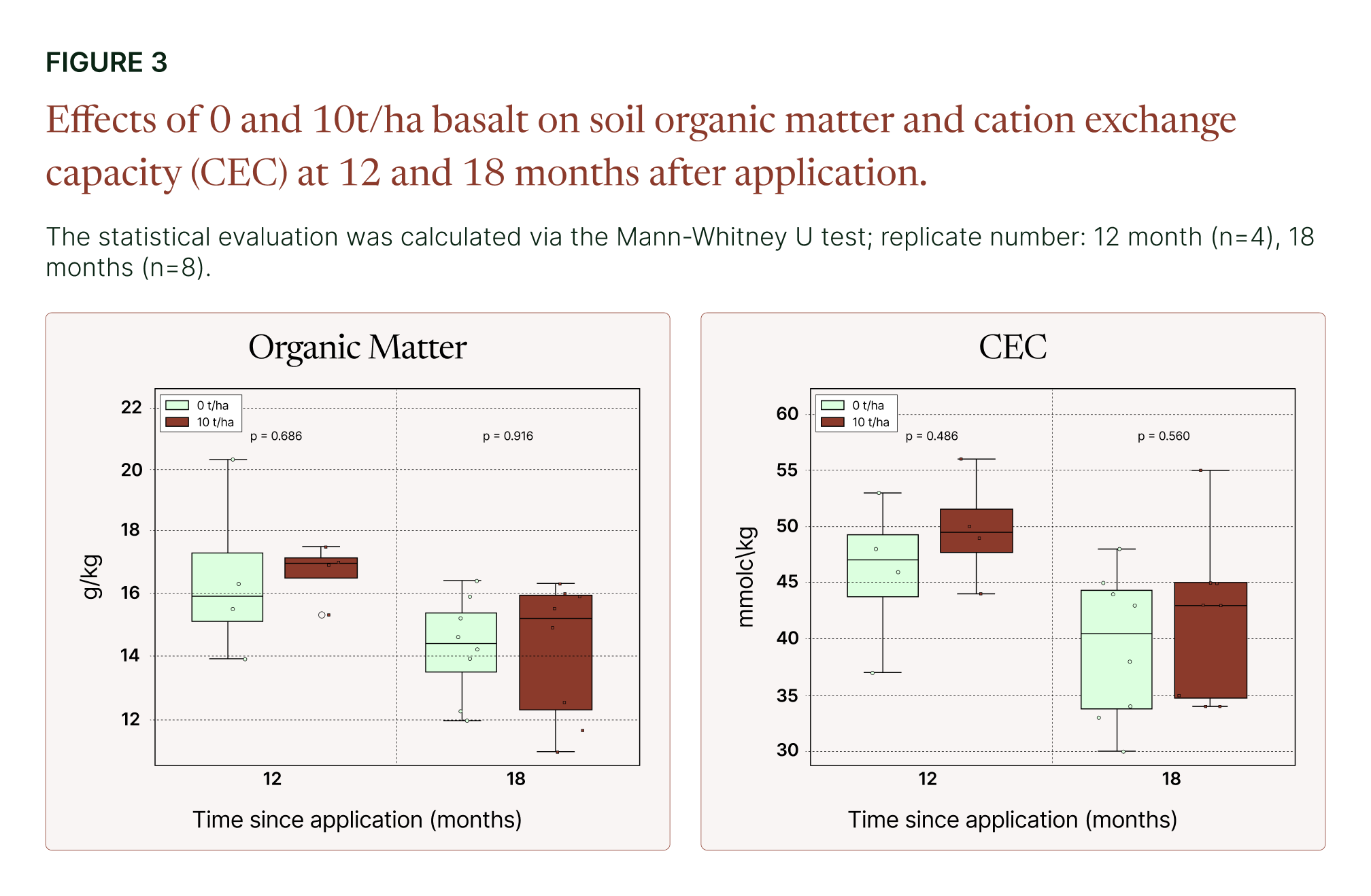
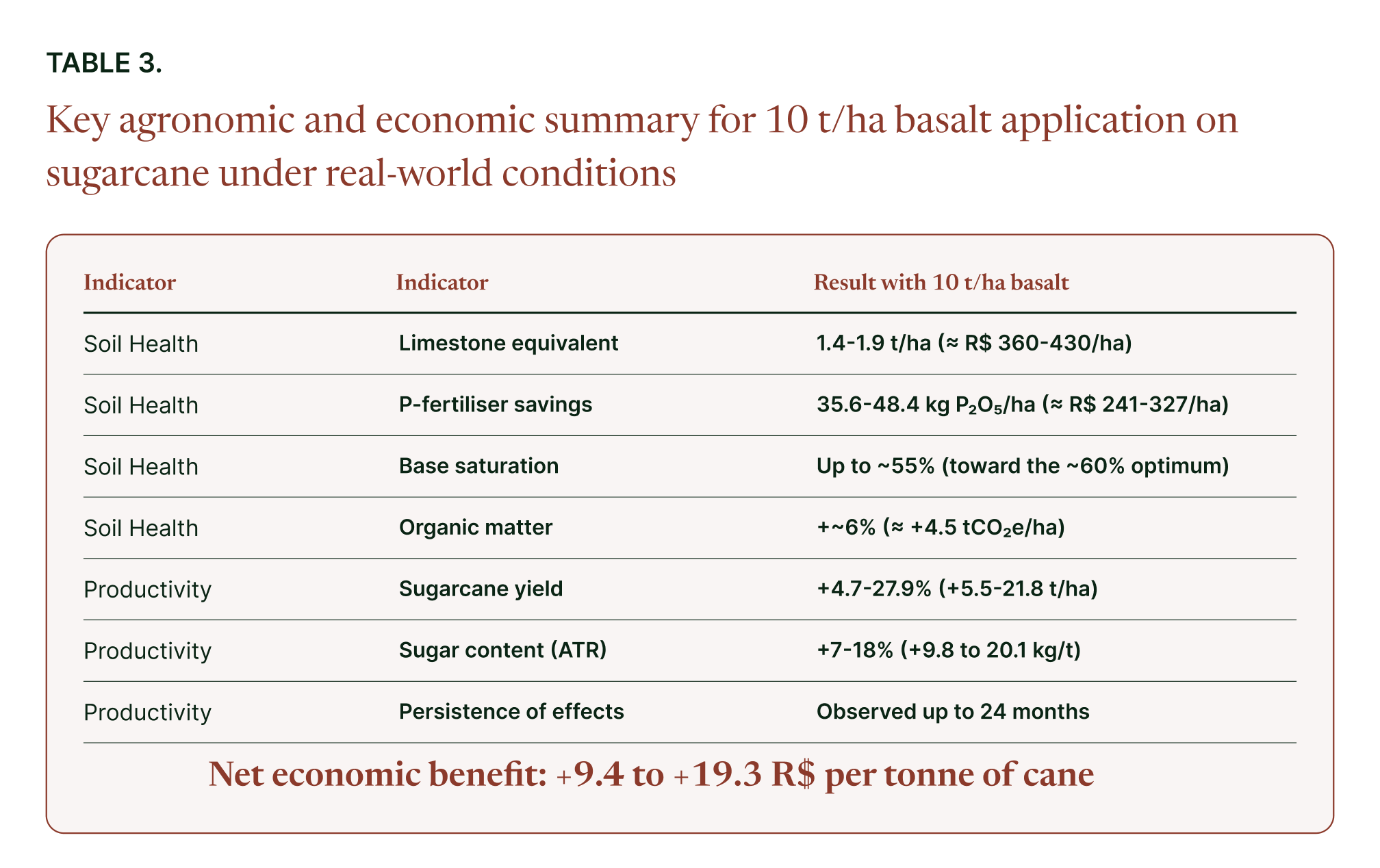
Soil organic matter showed a positive trend for both years, with increases between +0.80 and 1.05 g/kg, which averages to an additional 4.5 tCO₂e per hectare stored in the soil (bulk density = 1.22 g/cm3, 0-20cm). This change was not statistically significant over the monitored period, but the direction is consistent and agrees with what we have seen on other farms (Project Aracari, 2026).
CEC determines how many cations (positively charged nutrients such as Ca, Mg, and K) the soil can retain and supply to the plant. For both years, an increasing trend was observed (details see Table 1), which could be explained through (i) the raised pH increasing the negative charge sites on the variable (pH-dependent) charge surfaces, typical for tropical soils; (ii) the weathering of basalt forming new minerals with high-surface area; (iii) indirectly via increases in organic matter, which itself has very high CEC (Sanchez, 2019).
Nutrient availability
Basalt showed favorable effects on soil nutrient availability for both 12 and 18 months after application. The amount of the exchangeable Ca increased by 5.7- 7.1%, whereas Mg increased by 32.9 to 40.9% (statistically not significant, see Table 2).
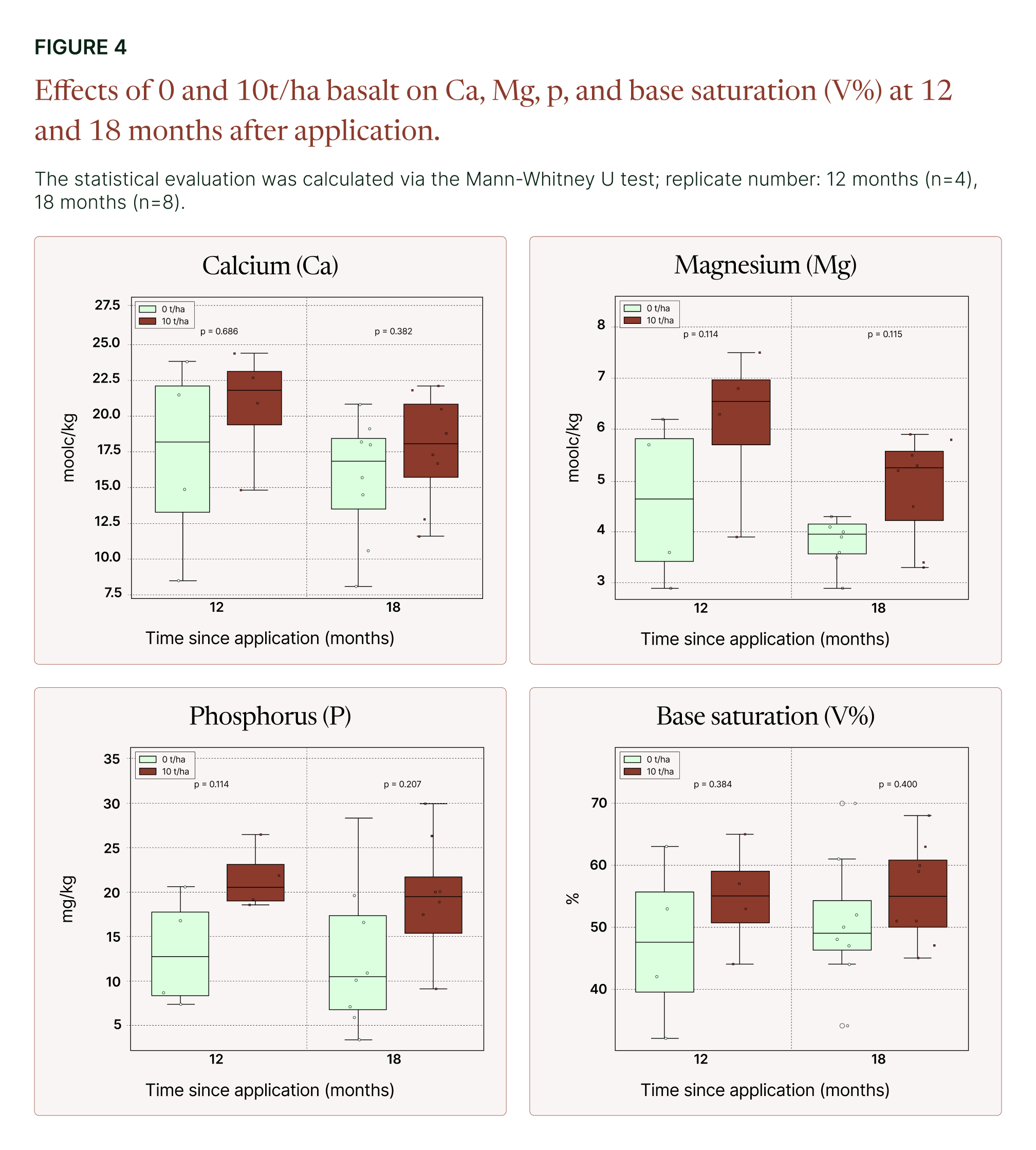
One of the most agronomically relevant findings is the increase of exchangeable P. Across both sampling times, soil P increased by 61.2 to 85.2% (see Table 2). P is a frequently limiting nutrient in tropical soils, and the expensive P fertilisers used to supply it are relatively inefficient because P is rapidly immobilised. The phosphorus content of the basalt itself is too low to explain gains of this magnitude, which points to an indirect mechanism like silicon-induced mobilisation of P already present in the soil (see e.g. Schaller et al., 2024).
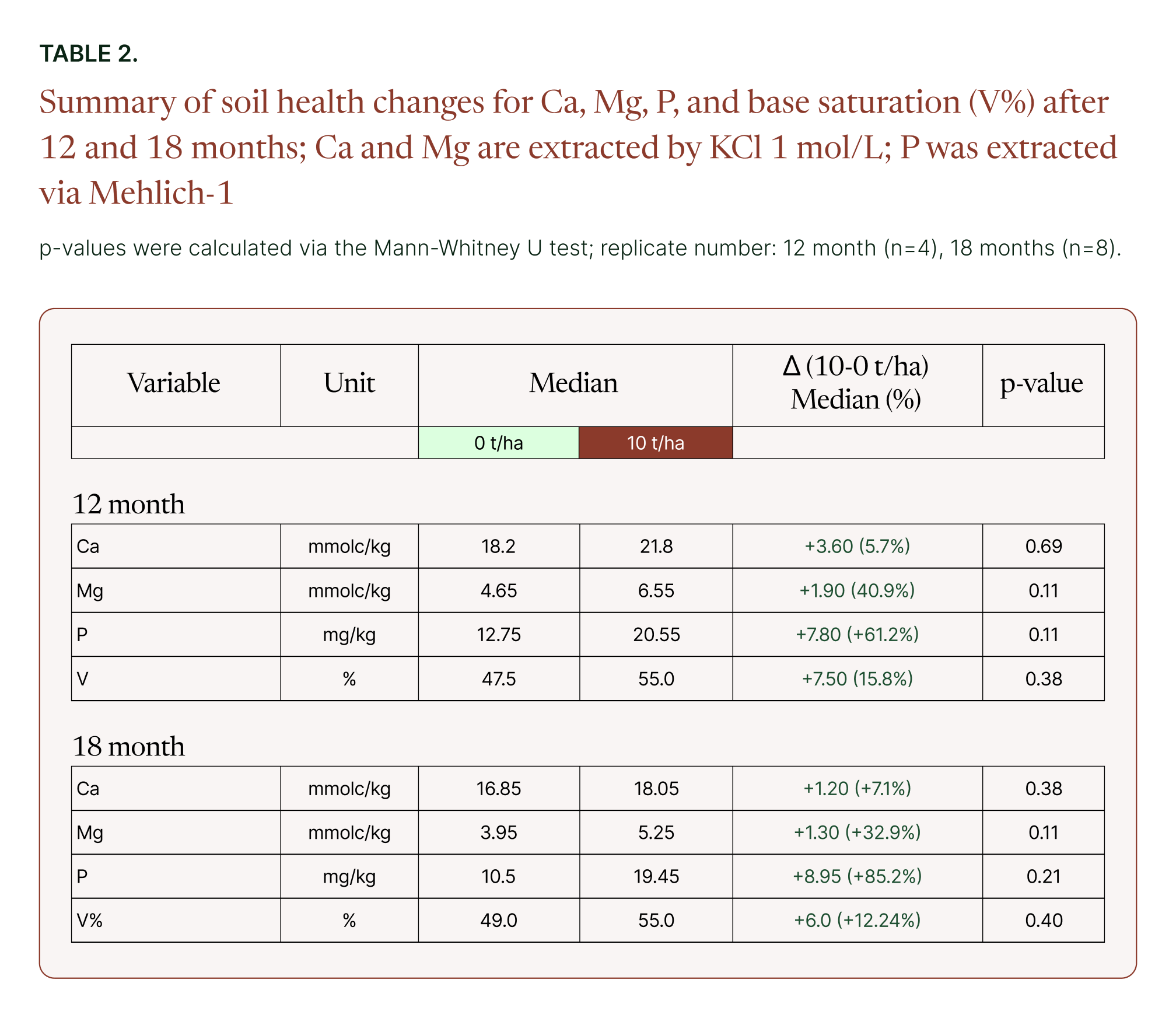
Base saturation, the share of the soil’s exchange sites occupied by the base cations Ca, Mg, K, and Na, increased from a baseline of 47.5–49% to 55% over the 12–18 months, shifting the soil closer to the agronomic optimum of about 60% (IAC, 2022).
Importantly, all soil health metrics improved across 12-18 months, however, most effects were statistically not significant. In this context, two points are worth considering:
- Consistency of direction: with the low replicate number (n=4-8), the statistical power is expected to be low for the heterogeneous agronomic setting. In such “noisy” settings, consistency of direction is crucial and informative. In our case, there is strong evidence for consistency of a positive effect direction, despite the statistical confidence being limited.
- Agronomic relevance ≠ statistical significance: not only the p-value matters, but also the effect size, which reaches agronomically relevant numbers for basically all metrics.
Commercial Field Results
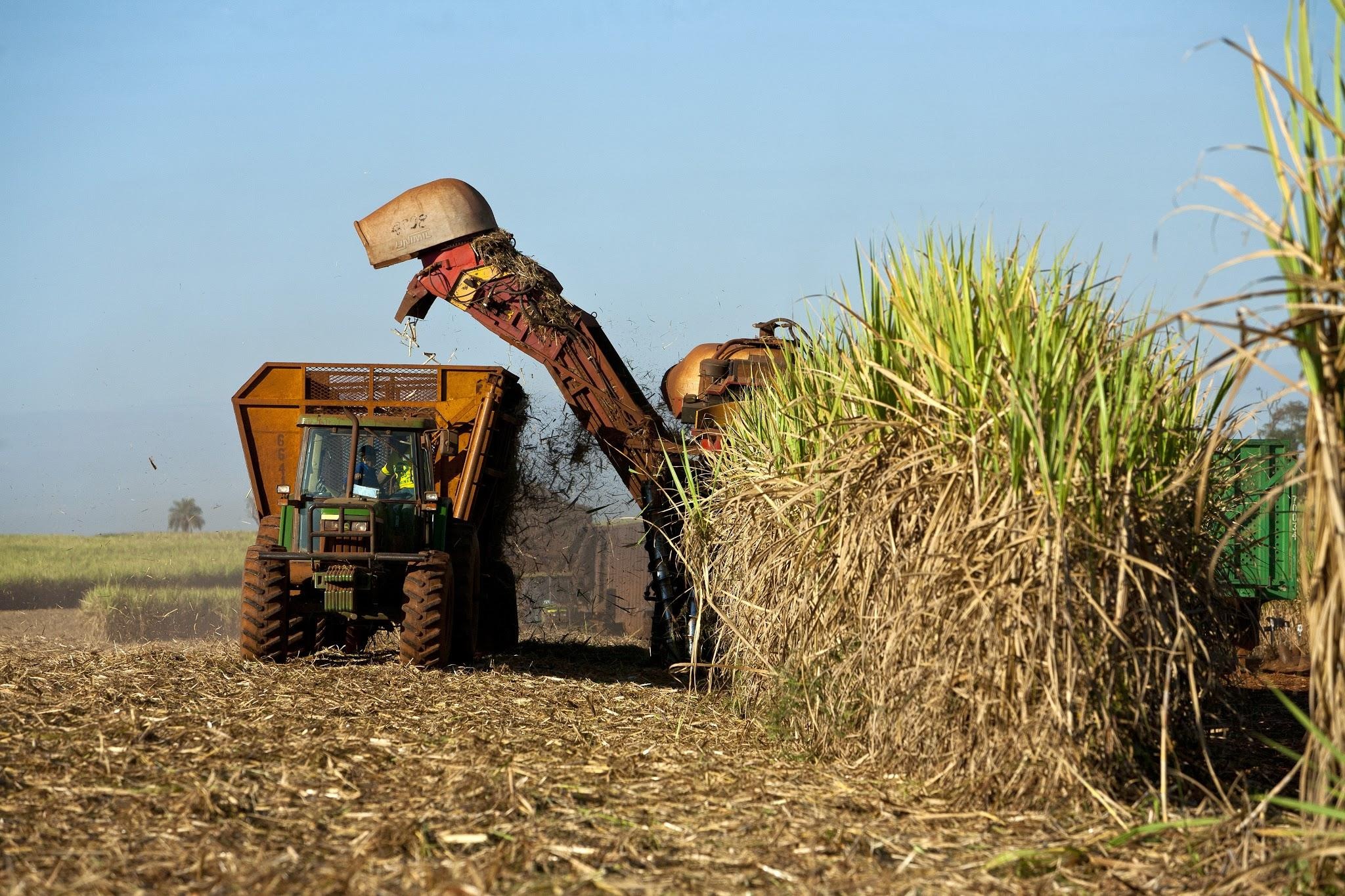
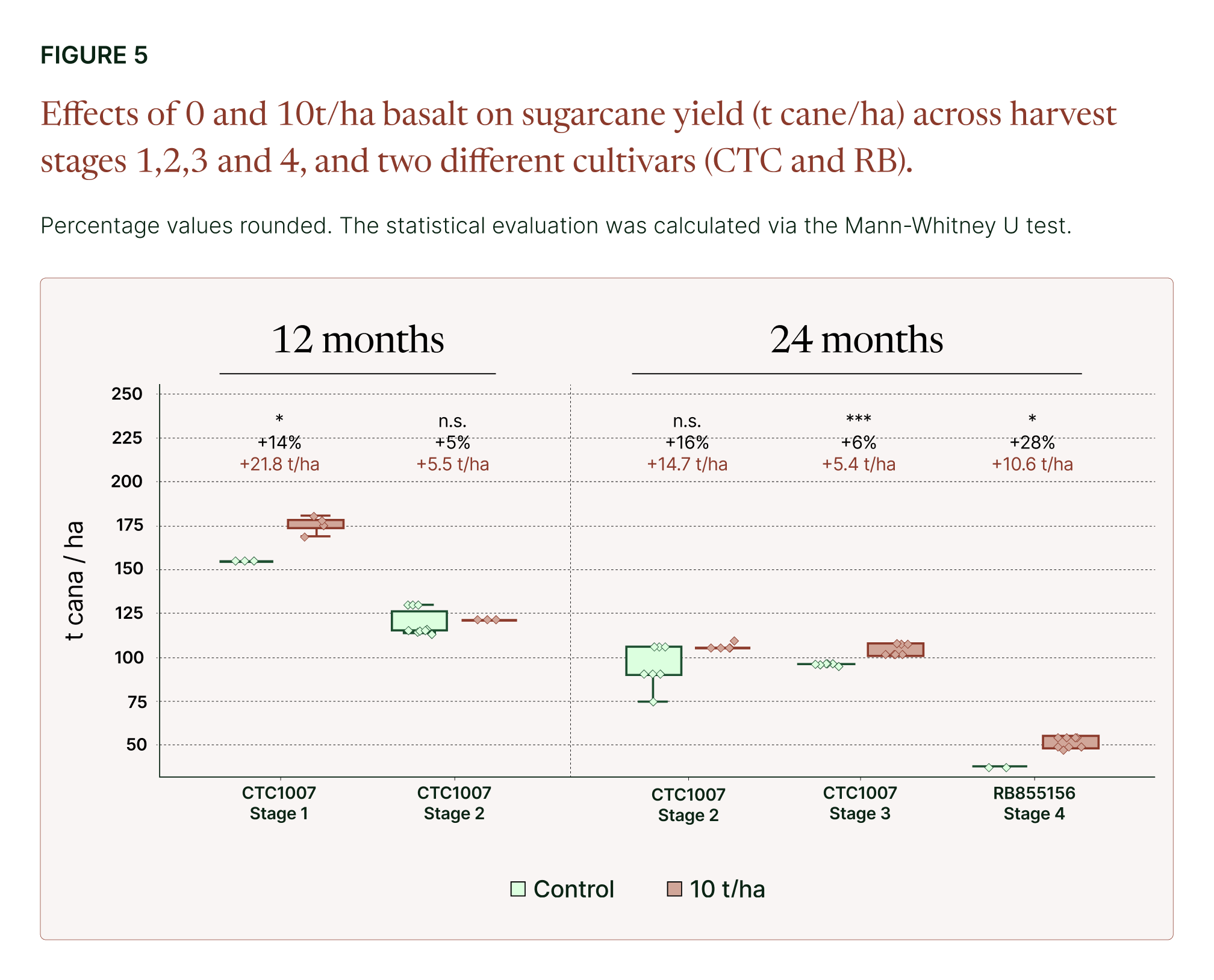
Across the 440 ha eligible for direct control-treatment comparisons, basalt increased both yield and recoverable sugar (ATR) for different cultivars and for different growth stages. Importantly, the effects endured over two successive growth cycles, and even increased in the second year. For yield, the total biomass was weighted from each plot and was statistically summarized for each of the respective cultivar-stage-year combination, whereas for ATR, one composite sample of all plots was analyzed.
Sugarcane yield
- 12 months (CTC1007 cultivar, stages 1–2): sugarcane yield increased by roughly +5% to +14% over control, which corresponds to +5.5-21.8 t/ha increase.
- 24 months (CTC1007 and RB855156 cultivars, stages 2–4): improved yield gains of +6% to +28% were recorded for the second harvest, corresponding to an additional 5.4-14.7 t/ha.
Sugarcane cultivar difference: RB855156 is grown for early-season harvest as it provides high initial sugar content at the start of the milling window (RIDESA/UFSCar), whereas CTC1007 is grown for mid-to-late season harvest to maximize yield and efficiency in mechanized operations (Centro de Tecnologia Canavieira, 2026).
Total Recoverable Sugar (ATR)
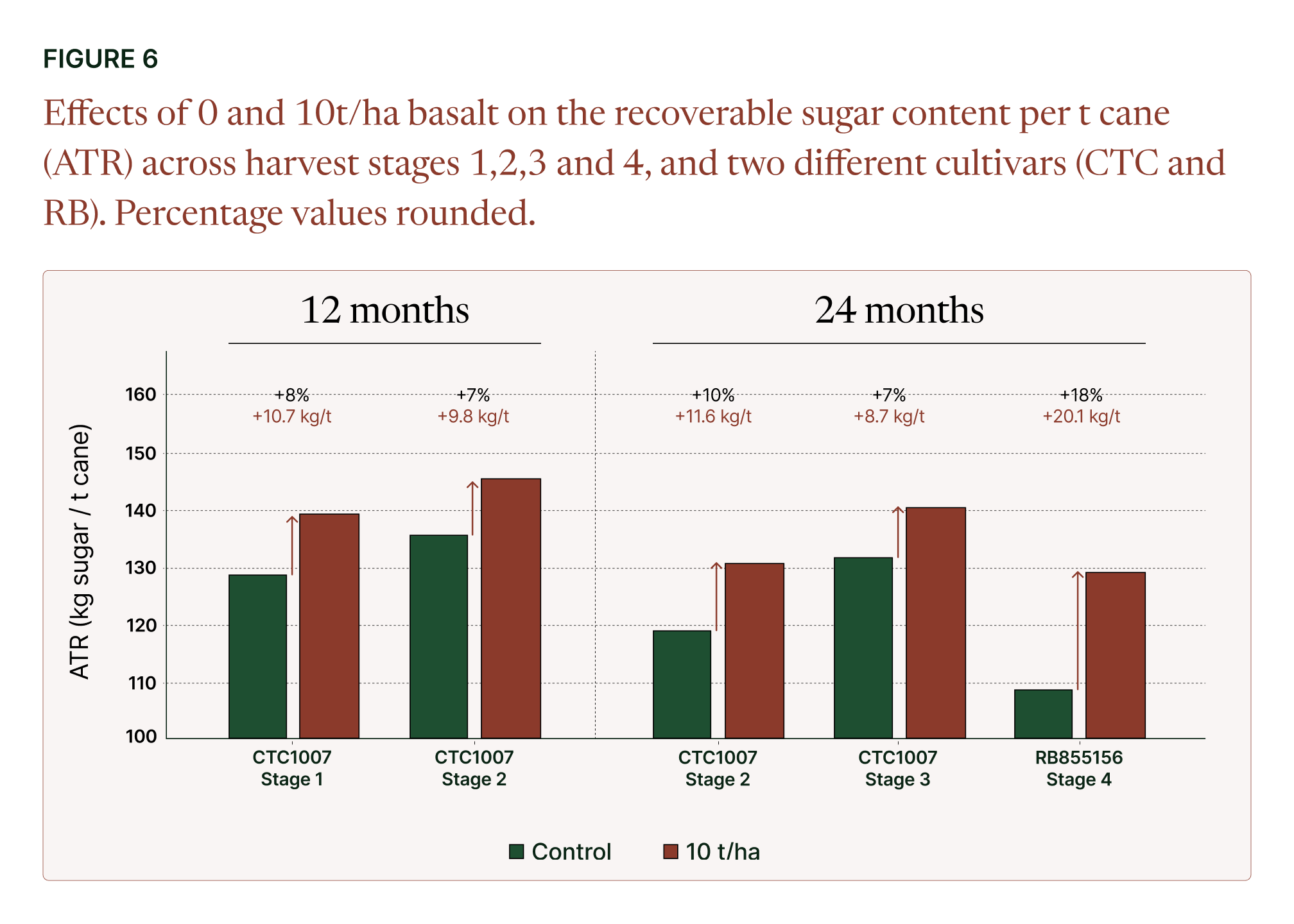
Basalt did not only increase the biomass, but also the sugar content. Across the commercial deployment, ATR increased by +7% to 18%, equivalent to an additional 9.8 to 20.1 kg of recoverable sugar per tonne of cane. Figure 6 shows ATR for 12 and 24 months after basalt application across various growth stages.
Agro-economic synthesis
Translating the agronomic results into limestone equivalents, fertilizer reduction potential, and additional yield income renders basalt a highly attractive intervention for sugarcane.
- Limestone equivalent: The pH increase corresponds to a limestone-equivalent of roughly 1.4–1.9 t/ha (Fageria and Baligar, 2008), which translates to a potential limestone substitution saving of R$ 360–430 per ha.
- P-fertilizer reduction: The increases in exchangeable soil P correspond to a P-fertilizer reduction potential of roughly 35.6–48.4 kg P₂O₅/ha (Mumbach et al. 2021), translating into potential P-fertiliser savings of about R$ 241–327 per hectare.
- Yield and ATR: Taking into account the costs for the rock powder and all farming operations under InPlanet´s business model, a conservative yield increase (+6%) and ATR gain (+8.7 kg/t) deliver a net economic benefit of +9.4 R$ per tonne of cane.
- Total economic potential: Combining the value of potential limestone replacement and P fertiliser reduction increases this benefit to +19.3 R$ per tonne of sugarcane. These benefits happen on top of the generated carbon credits.
Additionally, the increasing trend for soil organic matter follows the significant results we found at our Citrus project (Project Aracari, 2026), and could lead to an additional revenue stream via soil carbon credits. Furthermore, the avoided CO₂ emissions from reduced limestone and P-fertiliser use are not accounted for here, but would further strengthen the case for basalt as an economical, climate-smart technique that supports regenerative agriculture.
Conclusion
Basalt rock powder applied at a rate of 10 t/ha substantially increased sugarcane yield and sugar content under real-world conditions. Importantly, after a single application, these results were robust across two growing seasons, two different cultivars, and four different growth stages.
On the controlled experimental site basalt led to a consistent trend towards ameliorating soil health metrics for 12 and 18 months after application. Agronomic improvements not only had a positive direction, but also an agronomically meaningful magnitude.
Accounting for all expenditures in the presented real-world field application, a combined net benefit estimated at +9.4 to +19.3 R$ per tonne of sugarcane is directly achievable under InPlanet´s business model. Importantly, these results show that basalt rock powder can be successfully integrated into commercial cash crop operations such as sugarcane.
Taken together, these results show that basalt rock powder is a promising agronomic input for tropical sugarcane, improving both soil health and crop performance while simultaneously delivering durable carbon dioxide removal through enhanced weathering.
References
Centro de Tecnologia Canavieira. (n.d.). TECNA CTC1007: Ficha técnica de cultivar. CTC. Retrieved July 27, 2026, from https://ctc.com.br/variedades_ctc/tecna-ctc1007/
Fageria, N. K., & Baligar, V. C. (2008). Ameliorating soil acidity of tropical Oxisols by liming for sustainable crop production. Advances in Agronomy, 99, 345-399.
Instituto Agronômico de Campinas. (2022). Boletim 100: Recomendações de adubação e calagem para o Estado de São Paulo (2nd ed.). IAC.
Marin, F. R., et al. (2016). Prospects for Increasing Sugarcane and Bioethanol Production on Existing Crop Area in Brazil. BioScience, 66(4), 307–316. https://doi.org/10.1093/biosci/biw009
Mumbach, G. L., Gatiboni, L. C., Dall’Orsoletta, D. J., Schmitt, D. E., Grando, D. L., Souza Junior, A. A., Brignoli, F. M., & Iochims, D. A. (2021). Refining phosphorus fertilizer recommendations based on buffering capacity of soils from southern Brazil. Revista Brasileira de Ciência do Solo, 45, e0200113.
Rede Interuniversitária para o Desenvolvimento do Setor Sucroenergético, & Universidade Federal de São Carlos. (n.d.). RB855156: Ficha técnica e perfil de resistência a doenças. Programa de Melhoramento Genético da Cana-de-Açúcar (PMGCA/UFSCar). Retrieved July 27, 2026, from https://www.ridesaufscar.com.br/variedadesrb/rb855156
Sanchez, Pedro (2019). Properties and Management of Soils in the Tropics. Cambridge University Press. ISBN 9781316809785.
Schaller, J., Webber, H., Ewert, F., Stein, M. & Puppe, D. (2024). The transformation of agriculture towards a silicon-improved sustainable and resilient crop production. npj Sustainable Agriculture, 2, Article 27. https://doi.org/10.1038/s44264-024-00035-z
Swoboda, Philipp, Thomas F. Döring, and Martin Hamer. 2022. “Remineralizing Soils? The Agricultural Usage of Silicate Rock Powders: A Review.” Science of The Total Environment 807 (February): 150976. https://doi.org/10.1016/j.scitotenv.2021.150976
Swoboda, Philipp, et al. 2026. “A meta-analysis of the agronomic benefits of silicate rock powders in Brazil in the context of a novel classification.” Geoderma Regional: Volume 46, September 2026, e01103. https://doi.org/10.1016/j.geodrs.2026.e01103
U.S. Department of Agriculture, Foreign Agricultural Service (USDA FAS). “Brazil: Sugar Annual” Published 20 April 2026. Available at: https://www.fas.usda.gov/data/gain/2026/04/brazil-sugar-annual
Zeng, Z., Deng, Q., Zhu, X., Zhang, S., Chen, J., Zhou, S., & Shen, W. (2026). Synergistic effects of silicon-induced photosynthesis and fungal diversity on sugarcane yield. Industrial Crops and Products, 242, 123043. https://doi.org/10.1016/j.indcrop.2026.123043
Latest Posts
InPlanet and Idemitsu Americas Holdings Close Non-Recourse Debt Facility, Setting a New Standard for Financing ERW Carbon Removal
The transaction secures capital against contracted, insured delivery of durable removals, proof that high-integrity projects can now access scalable debt beyond equity.

InPlanet selected as the Brazilian supplier in Whirlpool Corporation's durable carbon removal portfolio
Structured by ClimeFi, the agreement pairs a firm 2030 delivery with standalone options, expanding Enhanced Rock Weathering across Brazil's agricultural heartland.
From Field to Credits: Inside the World's First Second-Year Enhanced Rock Weathering Credit Issuance
A recap of our webinar exploring MRV for enhanced rock weathering, and what two years of data from Serra da Mantiqueira tell us about the accuracy, durability, and scalability of ERW as a carbon removal pathway.